

10 September 2026 · Alex Morgan
Indoor vs Outdoor Pickleball in the UK
Indoor vs outdoor pickleball in the UK: weather, balls, booking and which suits beginners, plus how to find courts that match your preference.
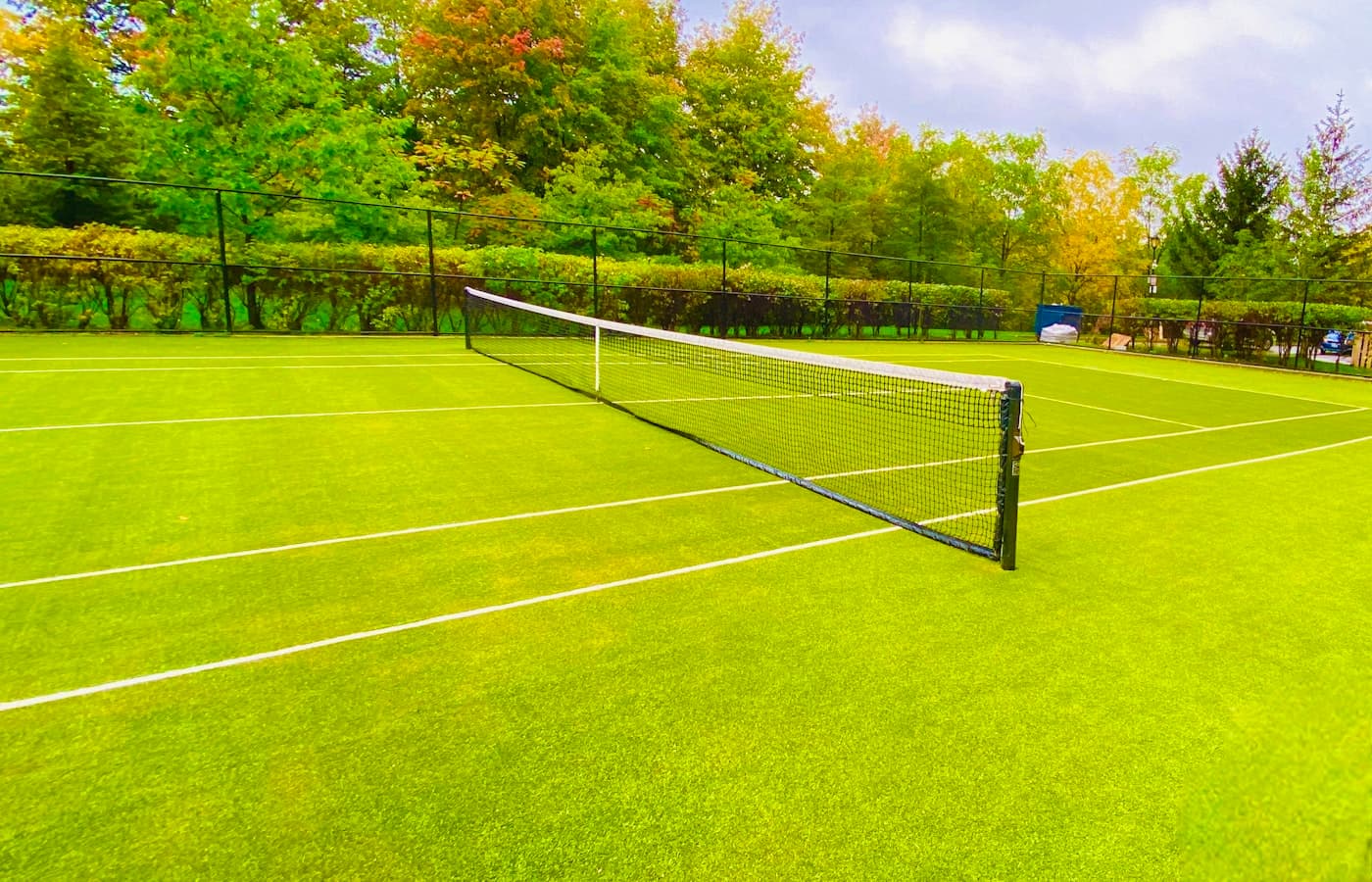
In the UK, indoor vs outdoor pickleball is less about preference and more about the weather forecast. Both are proper pickleball. Both use the same court size and kitchen rules. What changes is wind, surface, the ball, and whether your Tuesday night survives October.
I've played brilliant outdoor evenings that ended in a scramble for car keys when the rain started sideways. I've also played indoor sessions in July because nobody trusted the sky. Neither is a compromise. They're just different tools.
The short version
Indoor wins for reliability. Sports halls keep you playing through rain, wind and dark evenings. Most UK club nights and beginner sessions happen indoors for exactly that reason.
Outdoor wins on feel when it's dry. More space around the court, natural light, and a different pace of ball. On a still summer evening it's hard to beat, until a gust sends your serve sideways.
If you're booking your first month of play, start indoor. Add outdoor when the forecast cooperates.
How UK weather shapes the choice
British outdoor courts don't need tropical storms to ruin a session. A steady drizzle makes the surface slick. Wind above a gentle breeze messes with lobs and high serves. Autumn evenings need floodlights or an early finish. Condensation on cold acrylic can be as tricky as light rain.
That's why leisure centres dominate the listings. Halls at places like Swiss Cottage Leisure Centre, Bath Sports and Leisure Centre and University of Birmingham Sport & Fitness stay bookable when park courts sit empty.
Outdoor spots still matter. Park Sports Chiswick and park courts such as Wandle Park are brilliant on the right day, just treat the Met Office as part of your kit list. If you're driving twenty minutes, check the hourly forecast, not just the daily cartoon sun.
Balls, bounce and noise
Outdoor balls are usually harder and have larger holes; they're built for wind and rougher play. Indoor balls are softer and quieter, kinder in a sports hall that also hosts yoga next door. Mixing them up feels odd for a few rallies: an outdoor ball indoors skids and pops louder than regulars like.
Bounce changes with the surface too. Wooden or sprung sports-hall floors feel predictable. Asphalt or acrylic outdoors can play faster or slower depending on temperature and wear. Cold courts in spring play "dead" until you warm up. Neither is wrong; your timing adjusts.
Noise is the underrated indoor factor. Pickleball pops. Good venues manage it; older halls with hard walls can feel loud until you're used to it. If you're sensitive to sound, try an outdoor court on a calm evening or ask the organiser which hall is quieter.
Booking and cost patterns
Indoor play is often a mix of:
- Drop-in club sessions, pay per person, paddles sometimes included, organisers run the rotation
- Court hire. You book the hall slot and bring your own group
Outdoor play is more often pay-and-play court hire, sometimes with paddle hire at the desk. Session fees for drop-ins often land roughly in the £5-£12 range; full court hire varies a lot by city and operator. Always check the listing rather than assuming a national rate. Peak indoor evenings book out first in winter, so if you're flexible, daytime midweek can be kinder on both diary and wallet.
Membership quirks show up more outdoors at tennis clubs converting courts, guests may need a host. Public leisure halls are usually simpler for a first visit.
Which is better for beginners?
Indoor social sessions, usually. Someone explains the kitchen, the scoring makes sense after a few games, and rain doesn't strand you. Guides like your first pickleball session and how to find courts assume that path for good reason.
Outdoor is lovely once you can keep a rally going and you're happy to abandon ship if the sky turns. It's also a nice way to play with two people when you don't need a full club night, see playing with two people (singles). Bring an extra ball; wind and fences are efficient thieves.
A practical split for the year
| Season | Lean toward | Why |
|---|---|---|
| Oct-Mar | Indoor | Rain, wind, early dark |
| Apr-May | Either | Book outdoor when dry; keep indoor as backup |
| Jun-Aug | Outdoor when you can | Long evenings, better chance of dry courts |
| Sep | Mix | Still pleasant outdoors; halls get busier again |
Plenty of regulars do both: a midweek indoor club night plus weekend outdoor hits when the weather behaves. That rhythm also spreads the load. You're not fighting every winter for the same 7pm hall slot.
Shoes and kit notes
Indoor halls want non-marking trainers. Outdoor hard courts are harder on soles and ankles if the surface is worn. A light windproof layer earns its keep between outdoor games even in summer. For paddles, the same hire paddle works on both; balls are the thing to match to the environment.
Finding the right type near you
Filter by what you actually need this week. For indoor-heavy cities, start with London, Manchester, Birmingham or Edinburgh. Coastal and southern spots like Brighton and Bristol often mix both.
Search any postcode from the Pickleball Finder homepage, open a few listings, and check indoor/outdoor plus the booking link before you set off. If the listing says outdoor and the radar is green, enjoy it. And keep a favourite indoor backup saved for the weeks it isn't.
Alex Morgan
Pickleball player & guide writer
Alex started playing pickleball in 2022 and now runs weekly social sessions across London. He writes practical, UK-focused guides for Pickleball Finder, covering rules, gear, and where to play.
More from Alex Morgan