

15 September 2026 · Alex Morgan
Your First Pickleball Session in the UK
What to expect at your first UK pickleball session: how to book, what to wear, paddle hire, scoring basics and how to find a beginner-friendly court.
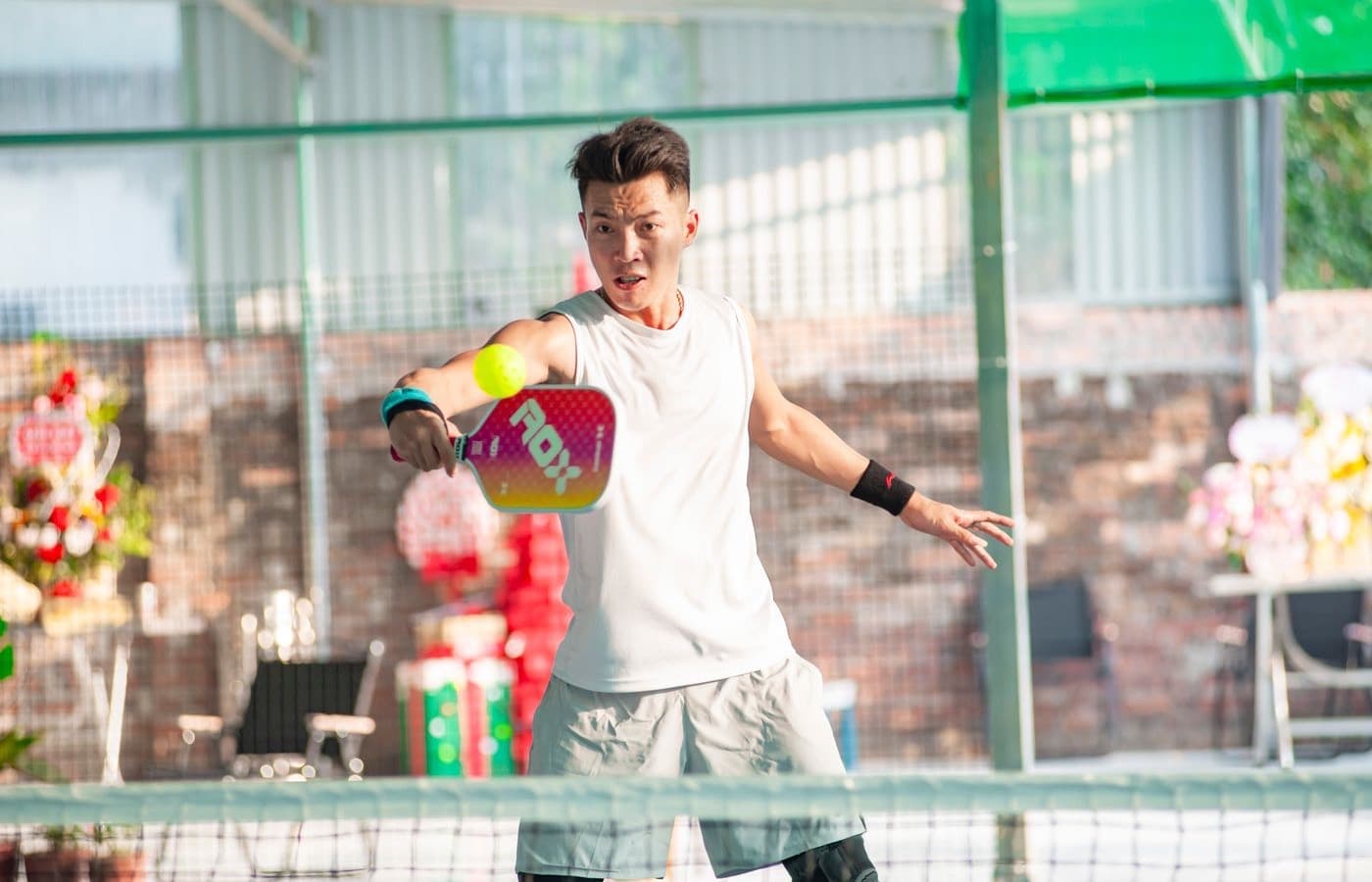
Your first pickleball session in the UK is usually a drop-in at a leisure centre or club night: you book (or just turn up if they allow walk-ins), borrow a paddle if needed, get a one-minute rules sketch, and rotate through short games. You do not need to be fit, coordinated or already part of a club. Below is exactly what tends to happen and how to make the evening less awkward.
Most people leave thinking two things: "that was friendlier than I expected" and "I need to learn how the score works". Both are normal.
Book the right kind of session
Look for beginner, social or all levels drop-ins rather than advanced drills or closed club ladder nights. Court hire with three mates is fine too, but a social teaches rotation, scoring and kitchen etiquette faster because strangers will gently correct you.
Search your area on the homepage, then open city pages if you're in a larger place, London, Birmingham, Bristol and Edinburgh are good starting points. Confirm times on the venue's own system; listings change. If two sessions clash, pick the one that mentions beginners or "all welcome".
Avoid turning up to a tournament practice night by mistake. The listing title usually gives it away; when in doubt, message the organiser. A five-minute email saves an awkward hour on the wrong court.
What to wear and bring
- Non-marking trainers for indoor halls (outdoor courts are more forgiving)
- Comfortable sports kit
- Water
- A thin layer for sitting between games, sports halls run cold
- Optional: small towel, hairband, spare socks if you run hot
You often don't need your own paddle. Many centres hire them, details in paddle hire in the UK. Check before you go so you're not stuck at reception empty-handed. Jewellery that catches on a paddle grip is worth leaving in the bag.
When you arrive
Get there ten minutes early. Find reception or the organiser, pay if you haven't already, grab a hire paddle, and say you're new. Someone will usually pair you with patient players for the first few games.
Expect:
- A quick demo of the serve and kitchen
- Short games, then rotate so everyone mixes
- Scoring called out loud (confusing for twenty minutes, then fine)
- A bit of standing around while courts reset, use it to watch one rally
If the score "0-0-2" appears, that's normal doubles, scoring explained helps after the session more than before it. Don't stress about calling it perfectly on night one; your partners will help.
The only rules you need on night one
- Underarm serve, diagonal, into the correct box.
- Double bounce to start each rally, explained here.
- No volleying in the kitchen. You can step in after a bounce; see can you step in the kitchen.
- Be kind about line calls. Recreational play runs on honesty.
Everything else can wait. You will miss balls. Everyone does. Apologise once, smile, play the next point.
How the room feels
UK sessions are chatty. People explain faults without making it a tribunal. Music might be on. Courts get reset when badminton lines are sharing the hall. It looks chaotic from the door and makes sense once you're on.
Indoor venues like Sugden Sports Centre or University of Birmingham Sport & Fitness are the winter-friendly version of this; outdoor socials add weather as a character, indoor vs outdoor if you're choosing.
If nobody talks to you in the first five minutes, introduce yourself to whoever has the clipboard or the brightest paddle. Organisers would rather you ask than hover.
Bring patience for the first scoring argument of the night. It isn't personal. Recreational UK play sorts itself out with a quick replay more often than a rulebook consultation.
Pacing yourself
Social rotations can mean a lot of short bursts. Drink water. Sit a game out if you need to (nobody minds. If a partner is much stronger, ask them to hit to you rather than through you; good players at socials usually will. If you're coming back from injury, tell the organiser) they'll often put you on a calmer court for the first rotation.
After the session
If you enjoyed it, book the same slot next week while it's in your head. Join the club WhatsApp if there is one. That's how UK groups actually organise extras and cancellations. A calendar reminder the morning of helps; halls hate no-shows when the session is capped.
If you want a fuller roadmap from "curious" to "regular", use the beginner pickleball path. For finding more venues near home, how to find courts covers leisure centres, parks and club nights.
What "good enough" looks like on night one
You kept a few rallies going. You understood why people shouted "kitchen!" You didn't leave early out of embarrassment. That's a successful first session. Technique videos can wait until you've got a regular slot booked. If you want one homework item, re-read the kitchen and double-bounce notes once. Not five YouTube deep-dives.
Session fees often land around £5-£12 for a drop-in, but check the listing, prices and inclusions vary. The important bit is showing up once. The second session is easier than the first, mostly because you already know where the changing rooms are.
Alex Morgan
Pickleball player & guide writer
Alex started playing pickleball in 2022 and now runs weekly social sessions across London. He writes practical, UK-focused guides for Pickleball Finder, covering rules, gear, and where to play.
More from Alex Morgan